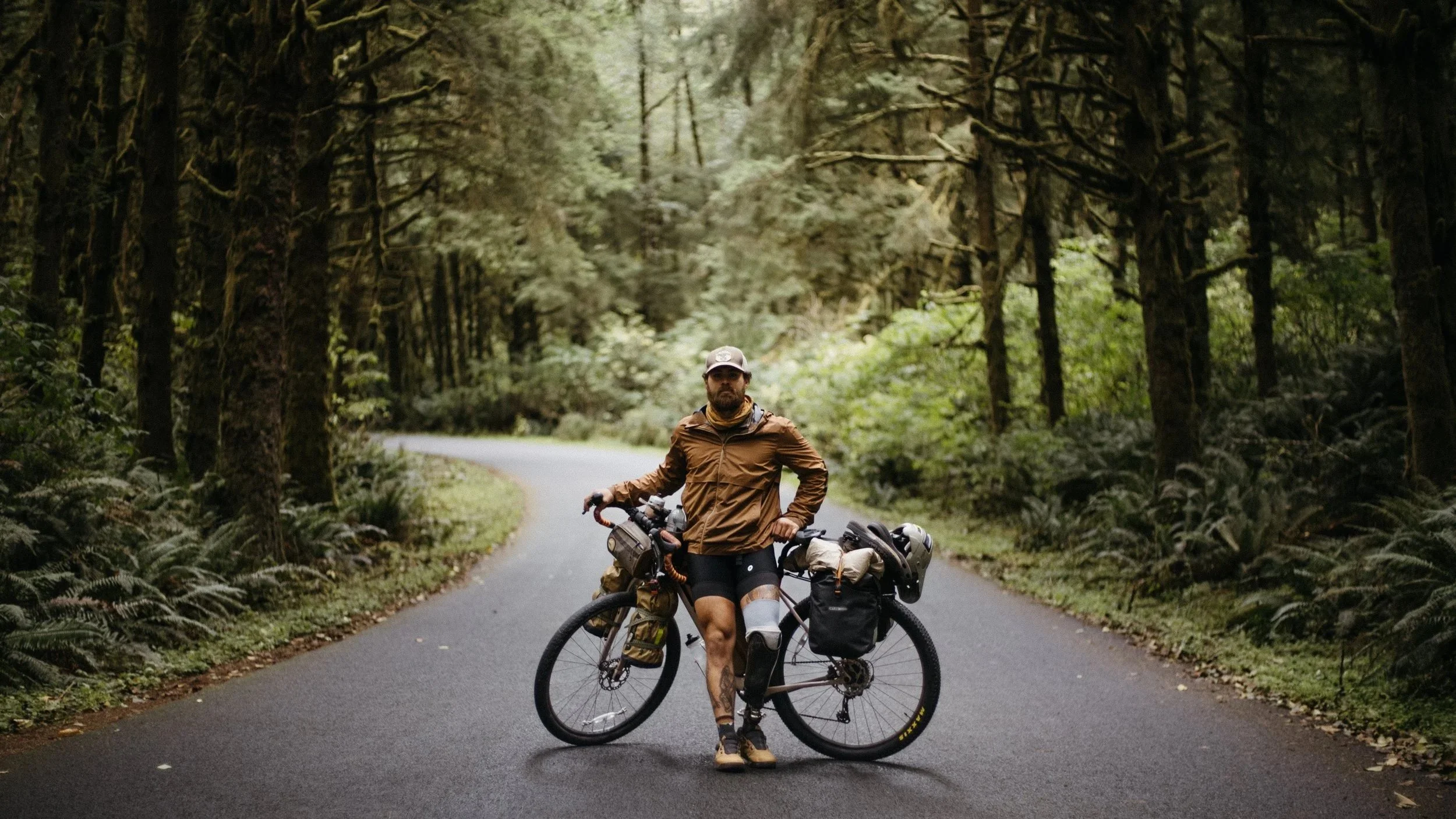
Strength, stability, and confidence — built for the way amputees really move.
Lower-limb amputees don’t want perfection — we want freedom.
Freedom from pain.
From constant body-math.
From planning every step before we take it.
You don’t need a perfect body. You need one you can trust.
And while your doctor, prosthetist, and trainer all want the best for you,
they’re often working in silos. You’re left to piece things together on top of daily life.
I know this firsthand. After losing my leg while serving as a Navy officer, even basic movement felt like starting over.
There was no space for possibility — only survival.
This is the system I wish I had then. A practical, integrated approach designed to reduce daily drag, rebuild strength that actually carries over into life, and help you reconnect to your body with confidence.
What You Can Expect
-
Most amputees aren’t defeated by pain — they’re exhausted by friction.
We start by addressing the small problems that quietly drain energy every day:
skin irritation, blisters, pressure points, and liner issues
compensations that lead to back, hip, or knee pain
inefficient movement patterns that increase fatigue
the cognitive load that turns movement into a problem to solve all day
Reducing daily drag doesn’t mean avoiding hard work.
It means removing what doesn’t need to be hard so effort actually goes where it matters. -
For amputees, building strength is protective.
This pillar focuses on developing full-body strength, mobility, and control in a way that directly addresses compensation and supports safe, efficient movement.
We train:
lower-body strength on both the prosthetic and sound side
hip, core, and trunk strength to reduce back and joint stress
upper-body and shoulder strength for loading, balance, and daily tasks
mobility and movement quality to support stable, repeatable movement patterns
The goal isn’t aesthetics or max numbers.
It’s a body that moves efficiently, tolerates load, and holds up over time. -
Living with an amputation can quietly narrow choices over time.
This pillar is about reversing that process.
As daily movement becomes easier and strength improves, it becomes realistic to re-engage with activities, goals, and challenges you may have set aside.
Not to prove anything — but to participate fully again.
What You Get
A fully customized training program — strength, conditioning, and mobility adapted to your body, and your goals.
Weekly 1:1 coaching calls for progression, adjustments, accountability, and progression.
Guidance for solving daily frustrations: skin irritation, blisters, liner issues, balance concerns, fatigue patterns, and prosthetic pain.
Video feedback to refine technique and improve movement quality.
Clear goal mapping and structured progressions that build endurance without overwhelm.
Full app access with your plan, tracking tools, and video demonstrations.
Direct message support for real-time troubleshooting.
Frequently Asked Questions
-
This program is for amputees who want to move forward with confidence—whether you’re early post-amputation or years in and tired of feeling limited, cautious, or inconsistent.
-
No. This program is designed for bodies that are still figuring things out.
Pain, inconsistency, and uncertainty are part of the process—not a reason to wait. Training adapts to your reality so confidence and strength can build over time.
-
We combine a thoughtful, human-centered approach with clear communication and reliable results. It’s not just what we do—it’s how we do it that sets us apart.
-
You can reach us anytime via our contact page or email. We aim to respond quickly—usually within one business day.
-
We offer flexible pricing based on project type and complexity. After an initial conversation, we’ll provide a transparent quote with no hidden costs.
-
Collaborative, honest, and straightforward. We're here to guide the process, bring ideas to the table, and keep things moving.