Samuel Maddaus
From Navy Officer to Amputee
My life used to be built around structure. As a U.S. Navy officer, readiness was non-negotiable—physical, mental, and under pressure. But in 2017, after losing my leg in a motorcycle accident, that identity collapsed. I didn’t feel capable. I didn’t feel steady. I didn’t feel like myself.
For a while, I was just getting by—numb, disconnected, and trying to pretend I was fine. I thought I was rebuilding my leg. What I didn’t expect was how much I’d have to rebuild my confidence, my identity, and my relationship with my own body.For a while, I was just getting by — numb, disconnected, and trying to pretend I was fine.
“When you remove friction and solve the small problems, capability returns.”
Hiking the Pacific Crest Trail
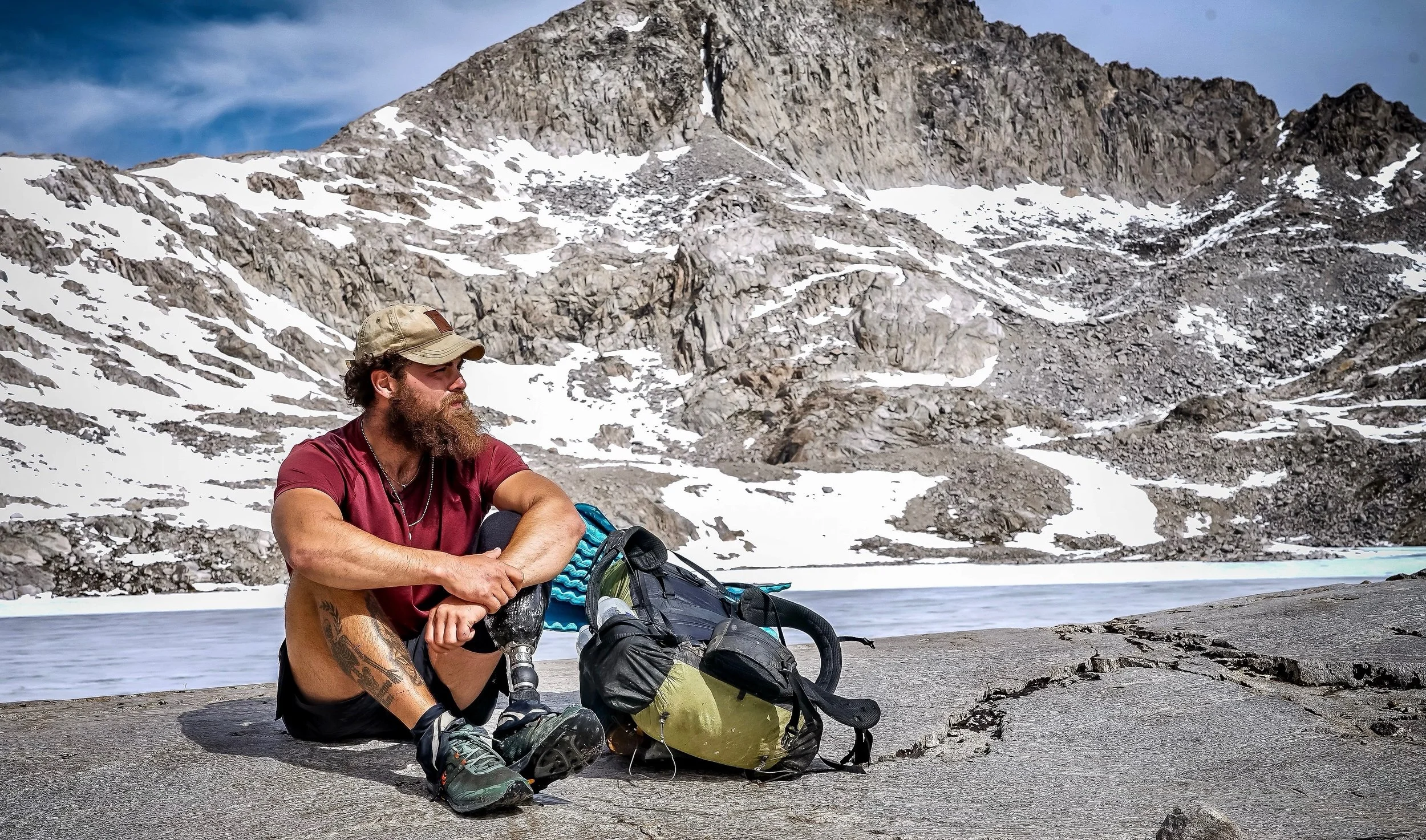
From there, movement became my way back into my life. I went from struggling to walk a mile to thru-hiking the 2,650-mile Pacific Crest Trail. Managing a prosthetic across snow, heat, long climbs, and long mileage became a masterclass in biomechanics, strength endurance, progression, and what a structured process can rebuild.
It was proof of how adaptable the body is—and what happens when you train with intention.
“Movement is medicine — not metaphorically, but literally.”
Guatemala
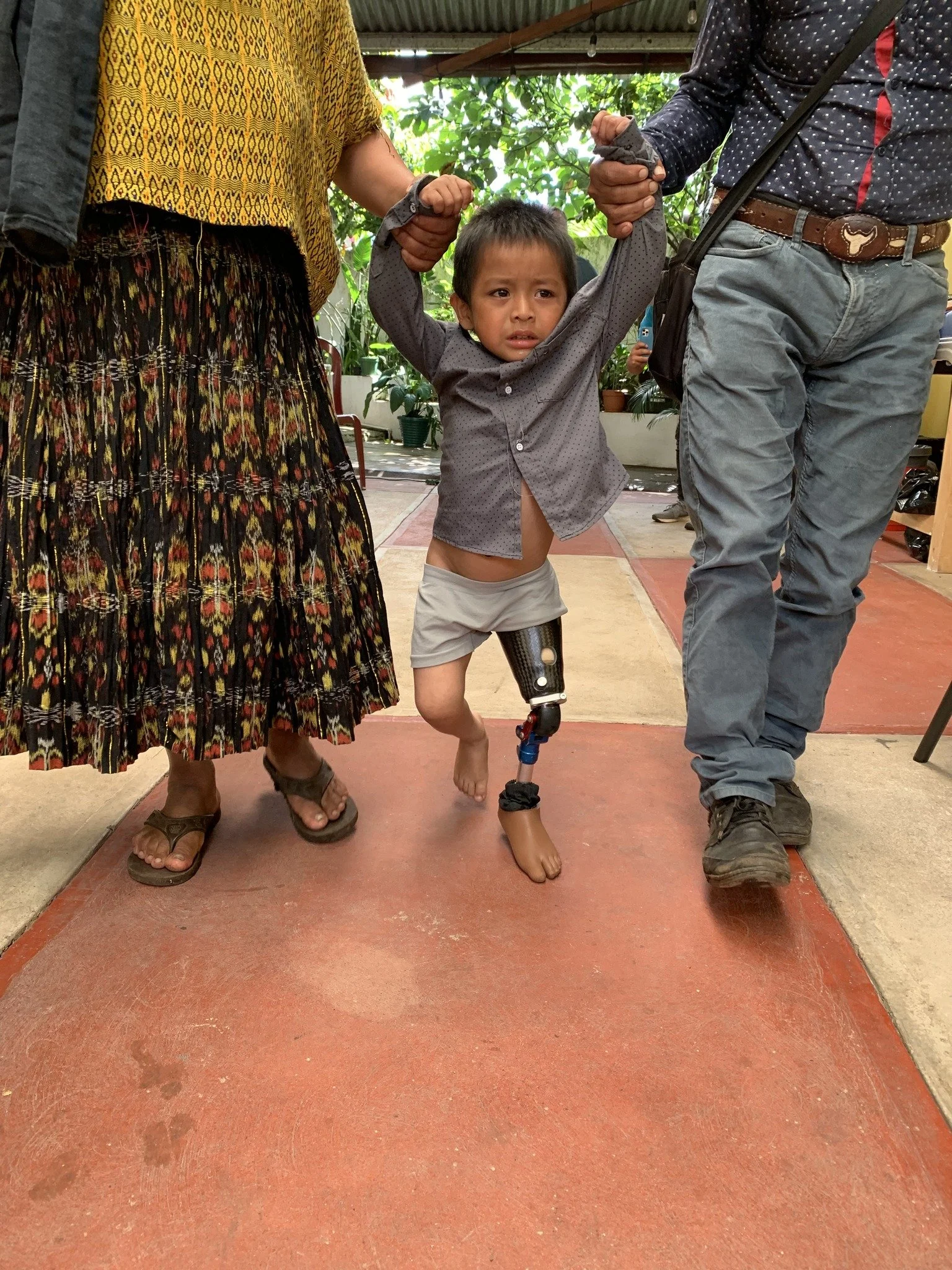
My turning point came in Guatemala, working with a prosthetic nonprofit. I watched people navigate limb loss with almost no resources—making it work through patience, creativity, and grit. I learned to troubleshoot socket issues, skin problems, gait mechanics, and all the small daily frictions that quietly steal your confidence.
It taught me something universal: when you remove friction and solve the small problems, capability returns. That applies to amputees and everyday athletes alike.
Guatemala reminded me that strength isn’t just physical—it’s the simple act of taking ownership of your path.
Cycling the Americas
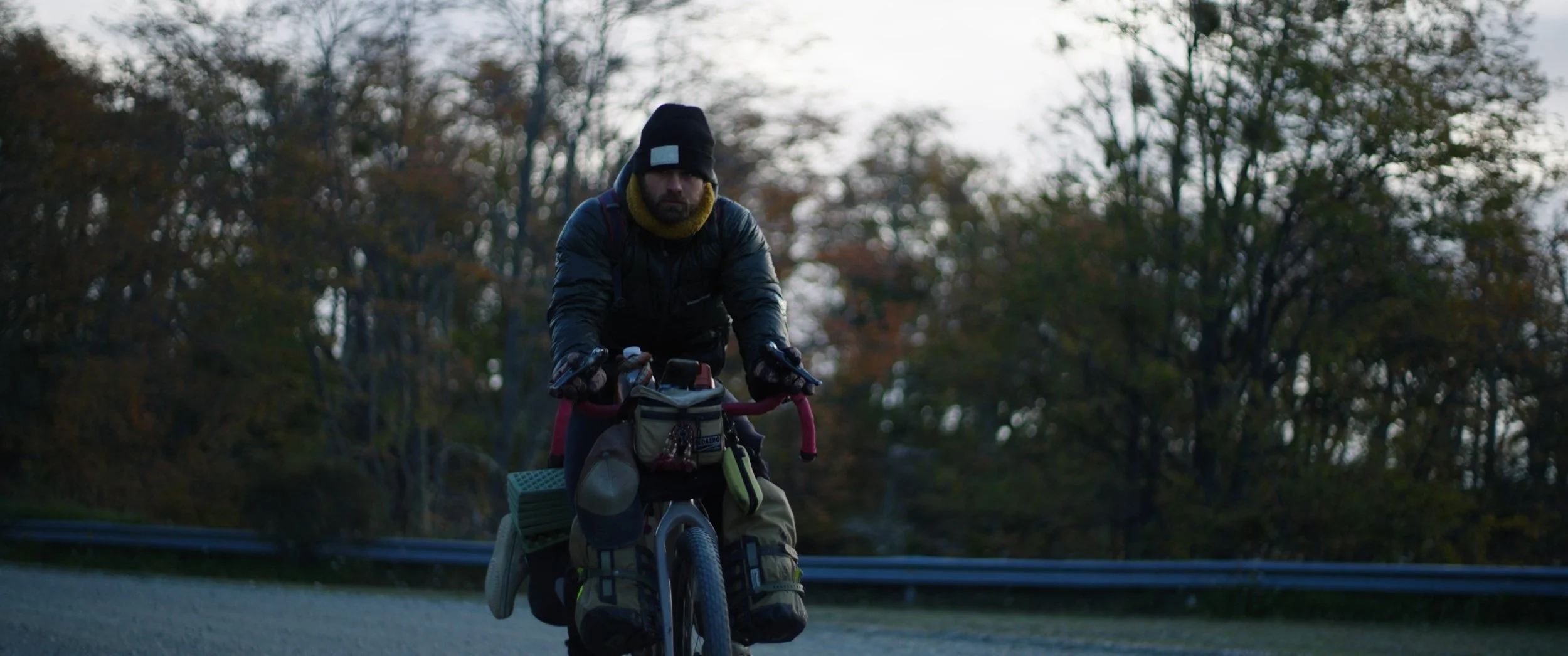
After the PCT, I spent 21 months cycling from Alaska to Argentina. Sixteen thousand miles of mountains, deserts, storms, altitude, and daily physical output refined everything I now teach: strength maintenance, mobility under fatigue, fueling, recovery, pacing, and mindset.
It also taught me how adventure reshapes a person from the inside out. Some days required discipline. Others required patience. Most required the belief that you can meet the moment, even when you don’t feel ready.
That belief is the backbone of my coaching.
I coach because I understand what it’s like to lose trust in your body—and what it takes to rebuild it deliberately.
My approach is practical, not theoretical. It’s built on strength, conditioning, movement quality, and adaptation, supported by the mindset required to make consistent progress over time.
I don’t fix people. I work with them to build capability, direction, and momentum—so their training carries into daily life and the goals that matter to them.
“For a while, I was just getting by — numb, disconnected, and pretending I was fine.”
After the PCT, I spent 21 months cycling from Alaska to Argentina. Sixteen thousand miles of mountains, deserts, storms, altitude, and daily physical output refined everything I now teach: strength maintenance, mobility under fatigue, fueling, recovery, pacing, and mindset.
It also taught me how adventure reshapes a person from the inside out. Some days required discipline. Others required patience. Most required the belief that you can meet the moment, even when you don’t feel ready.
That belief is the backbone of my coaching.
I coach because I know what it’s like to feel lost in your own body—and what it takes to rebuild capability, confidence, and momentum.
My approach isn’t theoretical. It’s built from lived experience:
strength, conditioning, mobility, practical adaptation, and the mindset required to change your life one deliberate rep, step, or mile at a time.
I don’t fix people.
I help them access more of who they already are.
From numbness to capability.
From getting by to getting after it.
From surviving the day to shaping the life you want to live.